

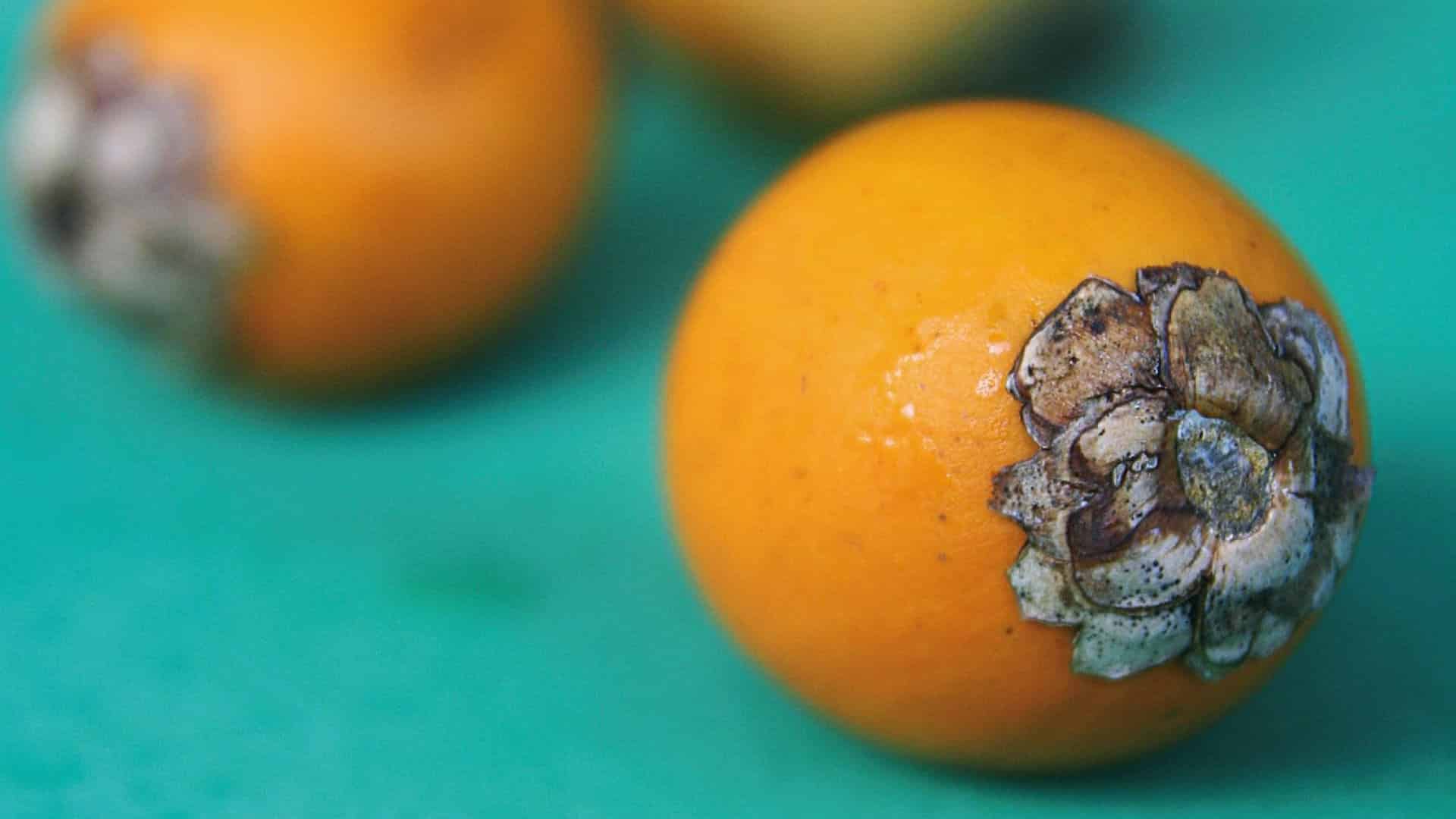
The development of wara palms in French Guiana has mobilised the University of Guiana, researchers and local residents around the WARA project to study awara, preserve the traditional broth and strengthen a living cultural and scientific heritage through an innovative participatory approach.
A scientific project in the heart of French Guiana
The development of wara palms is part of a strong local dynamic supported by the University of Guyana. Through the COVAPAM laboratory, the WARA project aims to better understand and exploit the riches of the awara palm, also known as Astrocaryum vulgare.
This project is based on a multidisciplinary approach. It combines botany, nutrition and social sciences. It also directly involves local stakeholders. This collaboration helps to anchor the research in local reality.
Understanding the diversity of awara palms
One of the major objectives is to study the diversity of awaras. Fruits vary considerably from one area to another and from one plant to another. Little is known about this diversity.
The Divawara programme collects leaf and fruit samples. Researchers then analyse the data to identify different morphotypes. This stage is essential if local resources are to be put to better use.
Awara broth: a cultural heritage worth preserving
Awara broth plays a central role in Guianese culture. This traditional dish, often prepared at Easter, brings families and communities together. It is much more than just a recipe.
In this context, the WARA project is studying the associated culinary practices. Researchers are analysing the impact of cooking methods on nutritional qualities. At the same time, they are documenting traditional know-how to prevent it from disappearing.
A participatory science approach
The development of wara palms is based on a participatory approach. Local people play a key role in collecting data and sharing knowledge. This collaboration enriches the research.
The COVAPAM team goes directly to the volunteers' homes. It takes samples and talks to the residents about their practices. This dialogue makes it possible to combine scientific and empirical knowledge.
Concrete action on the ground
The WARA project has already started in the field. The first interventions took place in Mana and Awala-Yalimapo. These areas offer an interesting diversity of palm trees and practices.
The teams will soon be visiting Roura and Matoury. These trips depend on local invitations. This flexibility means that the project can be adapted to the realities of the local area.
Why it is essential to enhance the value of wara palms
Enhancing the value of wara palms helps to preserve biodiversity. It also helps to strengthen Guiana's cultural identity. At the same time, it opens up local economic opportunities.
This project illustrates the importance of linking science and tradition. Local knowledge enriches research. Conversely, scientific data can be used to improve practices.
The development of wara palms represents a unique opportunity for French Guiana. It combines scientific research, cultural preservation and civic commitment. Thanks to the WARA project, traditional knowledge is taking on a new dimension. Do you own awaras or make stock? Get involved now and contribute to a collective project for the future.
I am text block. Click edit button to change this text. Lorem ipsum dolor sit amet, consectetur adipiscing elit. Ut elit tellus, luctus nec ullamcorper mattis, pulvinar dapibus leo.
Take part in the WARA project:
Call 0694 211 251
FAQ
What is wara palm enhancement?
This is a project aimed at improving knowledge of the Awara palm, preserving and exploiting its resources. It combines scientific research and local knowledge.
Who is behind the WARA project in French Guiana?
The project is being led by the University of French Guiana via the COVAPAM laboratory. It also involves local partners and residents.
Why is awara broth important?
This traditional dish is a strong cultural symbol in French Guiana. It brings families together and reflects skills passed down from generation to generation.
How can I take part in the WARA project?
Local residents can participate by welcoming researchers into their homes. They share their practices and allow samples to be taken.
What are the project's scientific objectives?
The project aims to study the genetic diversity of awara. It is also analysing its nutritional qualities and associated cultural practices.
What are the benefits for French Guiana?
The project strengthens local knowledge, preserves heritage and can support economic development around the awara.



 EN
EN  FR
FR  PT
PT  NL
NL  ES
ES